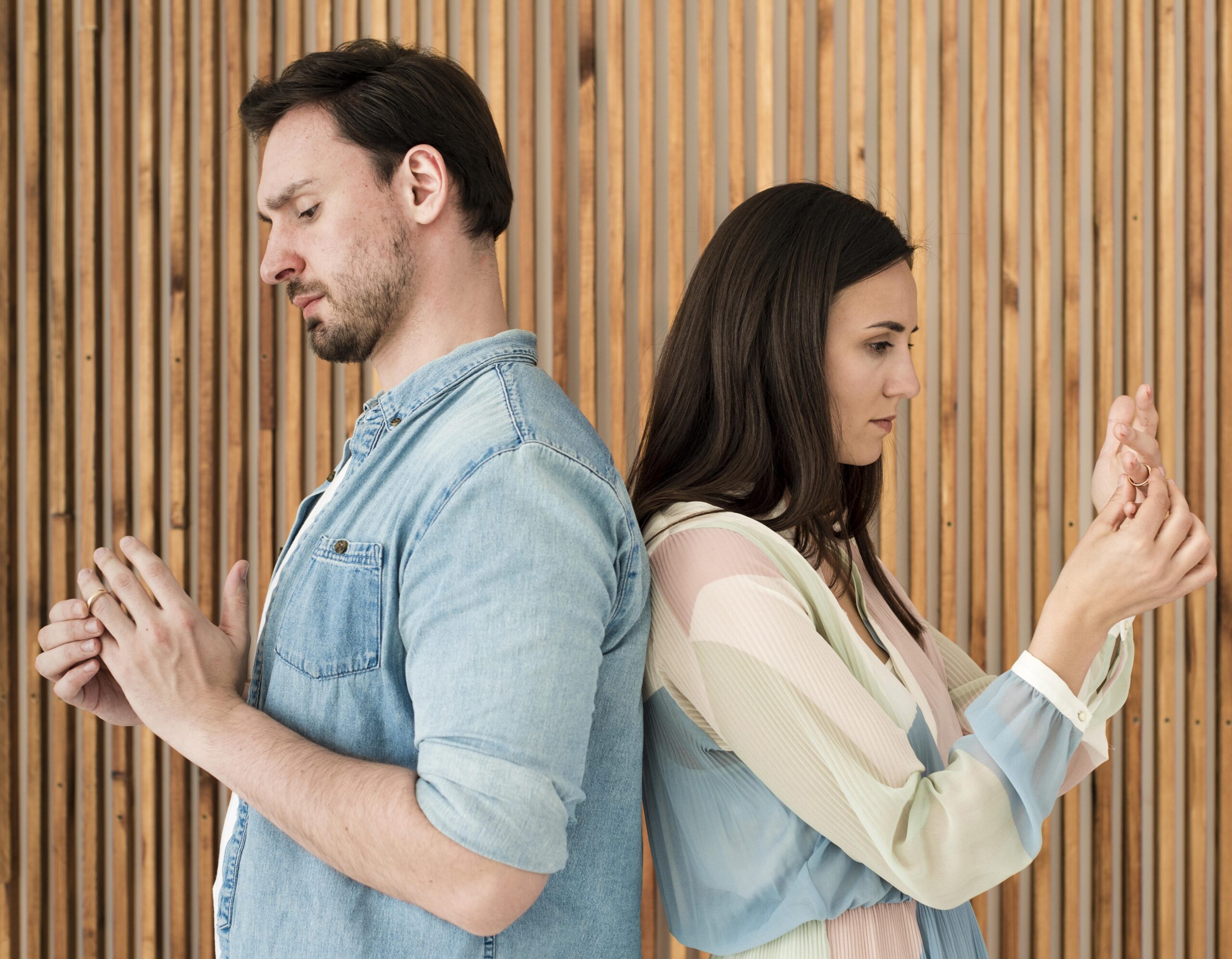
The Buzz is all about the gossips we can get from the celebrity divorces. The society is more concern about whose fault it was, who cheated whom and most important debate now a days – Alimony vs Dowry really?
If this is what attracted you to this blog then you are in a wrong lane in your life. I am here to discuss my perception about the concept (Divorce) not the people trapped in it.
Why people seek Divorces?
Divorce used to be a taboo for years. I’ve seen many marriages where people aren’t truly happy but continue living together—just to keep society satisfied. The fear of judgment, shame, or being labeled a failure keeps many couples stuck.
Yes, society plays a powerful role in shaping how we belong, behave, and ultimately, how we’re banished when we don’t fit its mold. But times are changing, conversations around mental health, emotional needs, and individuality are making people rethink relationships. So let’s talk about marriage—and its counterpart, divorce.
Under the Hindu Marriage Act, marriage is seen as a sacred union based on duty and tradition, not merely a contract. But when this bond become toxic, the law allows divorce. Grounds like cruelty, desertion, or mutual consent give individuals a chance to break off this union respectfully.
Today’s world is different and we are living in the ambitious world where none of the individual is willing to compromise themselves for their relationship. Therefore we can say that: Divorce isn’t failure—sometimes, it’s freedom and that deserves to be talked about.
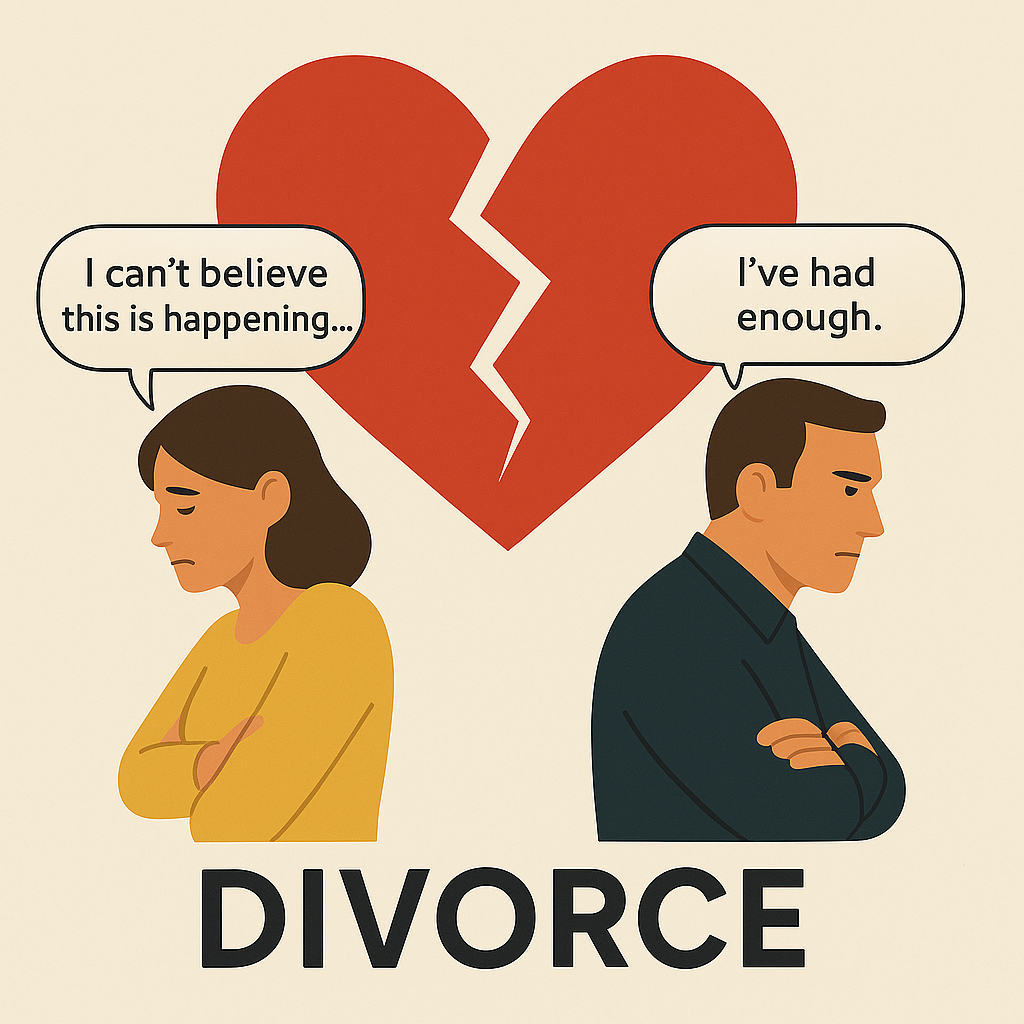
Is divorce an escape to freedom—or a doorway to a different kind of trap?
Do you consider divorce a form of freedom or a trap?
Everything in the universe has two sides—one positive and one negative—and it’s up to you to decide what it means for you. Divorce can bring a sense of freedom: freedom from domestic violence, constant disrespect, emotional stress, and silent suffering.
But it can also feel like a trap—a trap of guilt, overwhelming emotions, and mental trauma. It’s never an easy choice. For some, it’s a fresh start; for others, it’s a painful ending. Either way, choosing yourself and your peace should never be a crime.
What makes relationships fall apart and end in divorce?
You might have come to this blog out of curiosity or a personal search for clarity. Relationships go through different phases, and understanding them can help explain why things sometimes fall apart.
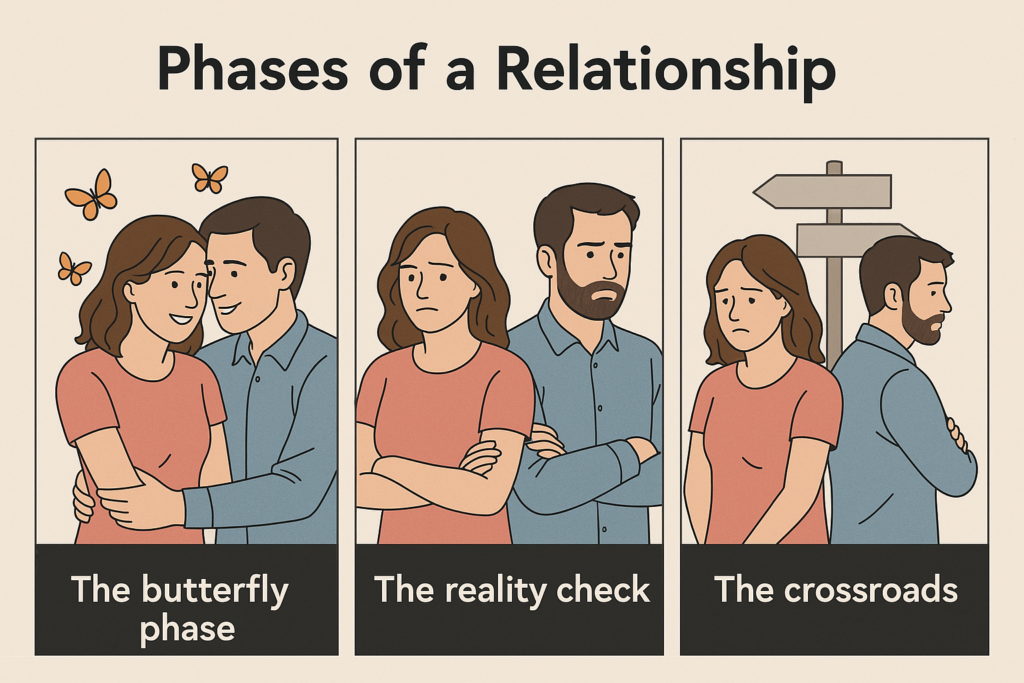
Phase 1: The Butterfly Phase
This is the dreamy beginning, where everything feels perfect. Both partners show their best sides, trying to impress and connect. It’s filled with excitement, late-night talks, and the thrill of being “chosen.” You look at each other and think, “Where were you all this time?”
Phase 2: The Reality Check
Once the newness fades, everyday life starts setting in. Habits become visible, flaws come into focus, and expectations—spoken or not—begin to surface. This phase tests communication, patience, and emotional maturity. Small misunderstandings, if left unchecked, slowly widen the gap.
Phase 3: The Crossroads
This is where many couples either grow together or grow apart. If mutual understanding and respect aren’t nurtured, resentment builds. Love starts feeling like effort. Some choose to stay and work through it, while others choose separation—for peace, clarity, or simply, survival.
Divorce, then, isn’t always a failure. Sometimes, it’s just the honest outcome of two people no longer growing in the same direction. This leads two people who once loved each other to grow apart and choose divorce.
Two Simple Understandings That Can Strengthen Your Relationship
Sometimes, it’s not about grand gestures or big efforts—just understanding a few basic truths about how men and women function emotionally can make all the difference. Here are three key ideas, that can truly help your relationship grow stronger.
1. Your Differences Are a Blessing, Not a Barrier
The differences between male and female energy are not meant to be erased—they’re meant to be understood. If both partners express emotions the same way, there’s no room for contrast, growth, or learning. It’s like being in a relationship with a mirror, where nothing new enters the space. Embrace the uniqueness each partner brings—it keeps the connection dynamic and evolving.
2. Emotional Responses Are Wired Differently
Men and women process emotions in different ways. While men are often solution-oriented and prefer silence or space when upset, women usually feel better when they talk and express what’s bothering them. The mistake couples often make?
Treating their partner how they would want to be treated. The real magic happens when you respond based on how your partner needs to be treated.
3. Learn the Mood Language
Whether it’s stress, tiredness, or even joy—how each gender handles emotional states varies. Men often need their “zone” to decompress, while women may crave connection through conversation. By simply recognising these patterns and responding with patience, rather than frustration, couples can avoid unnecessary conflict and create deeper emotional safety.
When Letting go Becomes the Bravest Choice
Relationships are complex, just like the people in them. Divorce isn’t always a sign of failure—it’s often the result of unmet emotional needs, miscommunication, or simply growing apart. The truth is, love alone isn’t always enough. Understanding, respect, space, and effort matter just as much.

In a world where everyone is chasing different dreams and definitions of love, it becomes even more important to pause and ask: Are we really listening to each other?
Whether you’re working to save a relationship or finding the courage to walk away from one, remember this—peace, growth, and self-worth are never selfish choices. You deserve a life where you feel seen, heard, and loved—by someone else or by yourself.