
Humans are often called social beings because we naturally rely on each other for survival, growth, learning, and happiness.
From the moment we are born, we are surrounded by family. As we grow, we build friendships, form relationships, and eventually create families of our own.
This cycle shows that being connected to others is not just normal — it’s essential. Helping, sharing, and bonding with others gives life its deeper meaning and true joy.
What is meant by Loneliness?
Loneliness is an emotional state where a person feels isolated or lacks a sense of belonging. It can happen even when you are surrounded by others if you don’t feel truly connected to them.
It’s more about how you feel inside than how many people are around you. As the author Jean-Paul Sartre once said, “If you’re lonely when you’re alone, you’re in bad company.”
This reminds us that loneliness is often more about inner feelings than external situations.
Is Loneliness a Choice or Circumstance?

“Loneliness and the feeling of being unwanted is the most terrible poverty.” – Mother Teresa
Loneliness is a feeling of being alone, even when people are around. It’s not just about being physically alone — it’s about feeling disconnected or misunderstood. Everyone experiences loneliness at some point, but the reasons behind it can be very different. You can see the Loneliness Index to check how many people experience this state.
Difference Between Choice and Circumstance in Terms of Loneliness
“The greatest thing in the world is to know how to belong to oneself.” — Michel de Montaigne. This quote highlights that sometimes, choosing solitude can be powerful and healthy.
Sometimes, loneliness is a choice. People might choose to spend time alone to recharge, reflect, or focus on personal growth. They may enjoy their own company and find peace in solitude.
Other times, loneliness is a circumstance. It can happen when someone moves to a new place, loses a loved one, or feels different from the people around them. In these cases, loneliness isn’t chosen — it happens because of situations outside their control.
In short, loneliness can be both a personal choice and a result of life’s circumstances. Understanding the difference can help us be kinder to ourselves and to others who might be feeling alone.
What are the reasons that make people lonely?

Loneliness doesn’t just happen without a reason. Many different factors can lead someone to feel isolated or disconnected. Here are five common reasons why people experience loneliness:
1. Life Changes
Big changes like moving to a new city, starting a new job, or losing a loved one can disrupt our social circles. During these times, people often feel alone because they are adjusting to a new environment without their usual support system.
2. Lack of Deep Connections
Being around people doesn’t always mean you feel connected. Sometimes, conversations stay on the surface, and people miss having deeper, meaningful relationships. Without true emotional bonds, loneliness can easily set in.
3. Social Anxiety
Some people find it hard to approach others or start conversations because of fear or nervousness. Even if they want friends or company, anxiety can hold them back, leading to feelings of isolation.
4. Technology and Social Media
While technology helps us stay connected, it can also create a false sense of companionship. Scrolling through social media may replace real-world interactions, making people feel lonelier in the long run.
5. Low Self-Esteem
When people don’t feel good about themselves, they might avoid social situations, thinking they are not interesting or likeable enough. Over time, this self-doubt builds walls that keep others out, deepening the sense of loneliness.
Impact of Being Lonely or Alone
Loneliness is more than just an emotional feeling — it can slowly affect every part of your life. When being alone becomes a habit or an unwanted situation, it can take a serious toll on your physical, mental, and social well-being.
How Does Being Alone Deteriorate Your Physical, Mental, and Social Health?
As the saying goes, “Man is by nature a social animal” — without real connections, we slowly lose parts of ourselves.
When someone feels lonely for a long time, it can weaken both the mind and the body.
Physically, loneliness can lead to issues like high blood pressure, weakened immunity, disturbed sleep, and even heart problems.
Mentally, it often brings feelings of sadness, anxiety, and emptiness. Over time, a lonely person might lose confidence, feel hopeless, or find it hard to enjoy things they once loved.
Socially, loneliness makes people withdraw even more from others. As they lose touch with friends and family, they feel more isolated, creating a painful cycle that’s hard to break.
How Does This Push You Toward Suicidal Tendencies?
When loneliness becomes unbearable, it can create a deep feeling of worthlessness. A person might start believing that no one cares about them or that their life doesn’t matter.
Without support, these negative thoughts can grow stronger, leading to depression and, in extreme cases, suicidal thoughts.
It’s not that people truly want to end their lives — often, they just want their pain and loneliness to stop.
That’s why recognising loneliness early and reaching out for help is so important. A small act of connection — a conversation, a visit, a helping hand — can make a huge difference in someone’s life.
Follow These to Prevent Yourself from Being Lonely
Loneliness can creep into our lives quietly, but the good news is that there are ways to keep it away. We can build stronger connections and a happier, more fulfilling life with a few conscious efforts. Here are some simple measures to avoid loneliness:
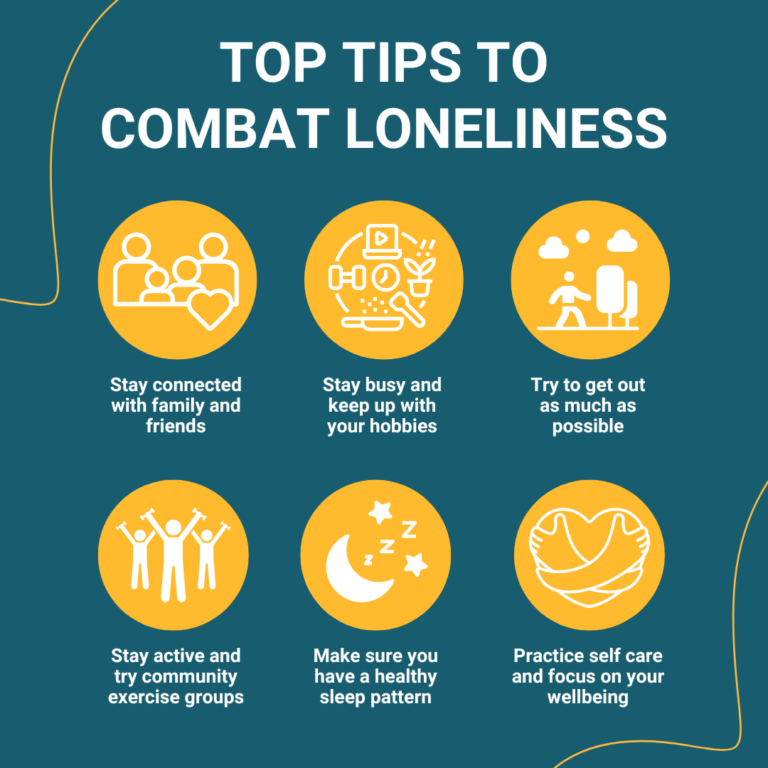
1. Stay Connected
Make an effort to stay in touch with family, friends, and even colleagues. Regular calls, messages, or meet ups — even short ones — can make a big difference.
2. Join a Group or Community
Find a group that shares your interests, whether it’s a hobby club, a sports team, or a volunteering organisation. Being part of a community helps you meet like-minded people and build meaningful relationships.
3. Be Open to New Friendships
Sometimes we get too comfortable with our existing circles. Stay open to meeting new people — you never know who could turn out to be a great friend.
4. Take Care of Your Mental Health
Practicing mindfulness, journaling your thoughts, or seeking therapy can help you better understand and manage feelings of loneliness.
5. Be Kind to Yourself
“The best way to find yourself is to lose yourself in the service of others.” — Mahatma Gandhi
Don’t be too hard on yourself if you feel lonely sometimes. Everyone does. Focus on small steps every day to reconnect with others and with yourself. Helping others can also make you feel more connected and valued.
Let’s remind each other that no one has to face loneliness alone.
End Note
Loneliness is a quiet struggle many face, often without showing it on the surface. In today’s fast-paced and digitally connected world, feeling truly seen and heard has become rare. But the truth is, no one is meant to walk through life alone.

Whether loneliness comes from a personal choice or life’s circumstances, it’s important to recognise it and take gentle steps to heal. Building meaningful connections, reaching out when we need support, and being kind to ourselves can change everything. Loneliness can quietly hurt more than we realise. If you notice someone withdrawing or looking down, take a moment to reach out. A small act of kindness — a message, a call, or a genuine conversation — could be the light, someone desperately needs.