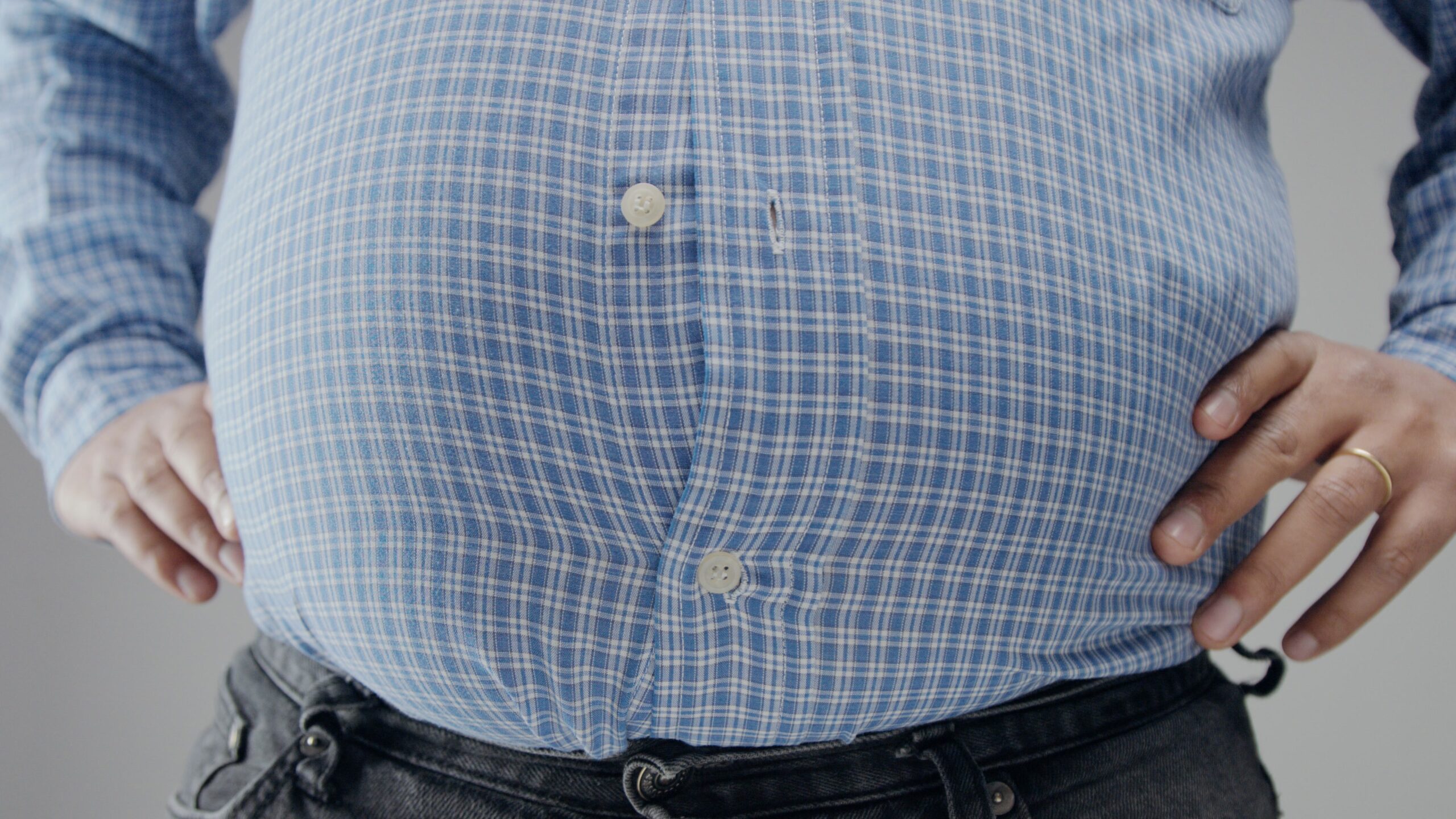
Start your journey towards a healthier, more vibrant life without obesity. Let’s read about Obesity, its causes, and prevention from obesity.
What is Obesity?
Obesity is a condition that affects millions of people worldwide. It leads to serious health issues and a decreased quality of life. In this blog post, we will delve into the definition of obesity. What causes it, the impact of childhood obesity, the role of BMI in diagnosing obesity, and who is obese.
Obesity is a medical condition characterised by an excessive accumulation of body fat. It poses a risk to an individual’s health. It is commonly measured using the Body Mass Index (BMI).
The Causes of Obesity
Obesity occur due to a combination of genetic, environmental, and lifestyle factors. It’s causes include poor diet, lack of physical activity, and genetic predisposition. There are certain medical conditions that can contribute to the development of obesity.
The Impact of Childhood Obesity
Childhood obesity is a growing concern. Today’s children are overweight or obese. This puts them at risk of developing serious health issues later in life. Childhood obesity can cause diabetes, heart disease, and high blood pressure.
Understanding BMI and its Role in Obesity
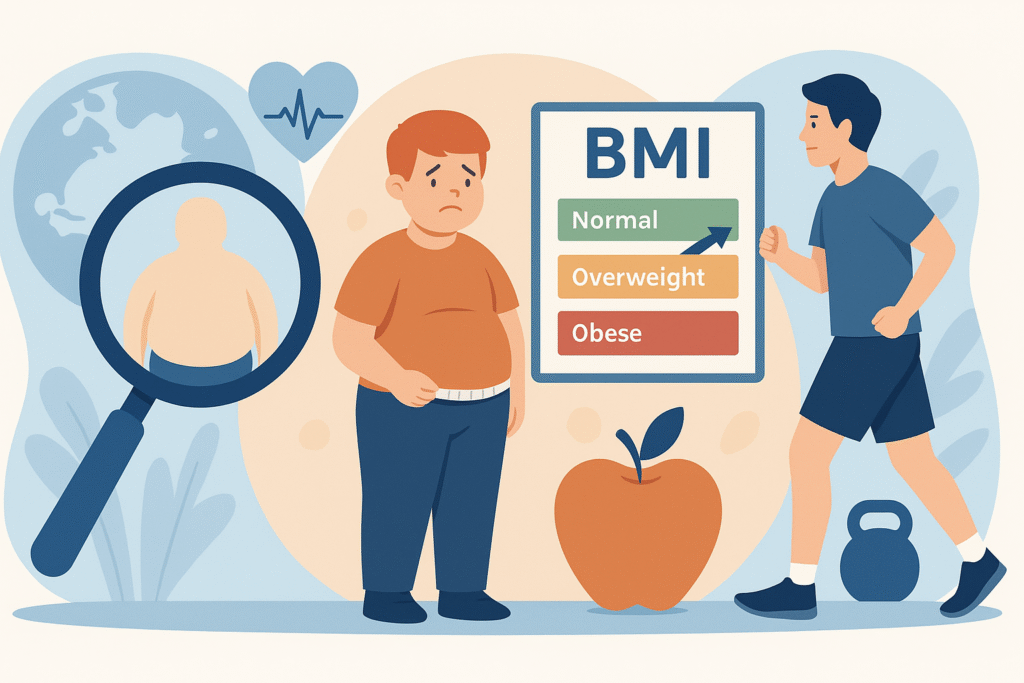
BMI is a measurement that is calculated using a person’s height and weight. It determines whether an individual is underweight, normal weight, overweight, or obese. A person with a BMI of 30 or higher is obese.
Who is obese?
Anyone with a BMI of 30 or higher is obese. Individuals need to be aware of their BMI. Take steps to reduce obesity through healthy eating and regular exercise. Take medical action if necessary.
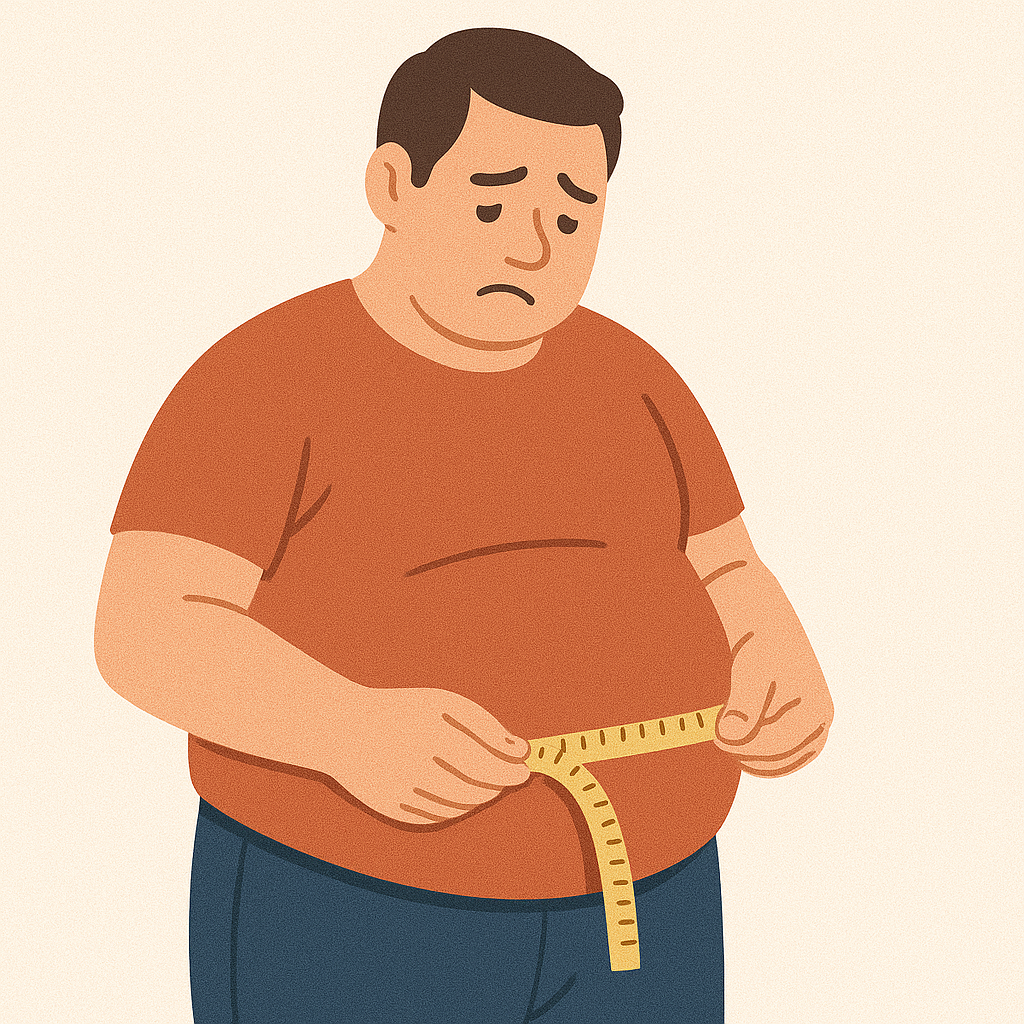
Strategies for Prevention and Management
1. Importance of a Healthy Diet
A healthy diet is the first and crucial step to a healthy being. Everything starts with the diet you consume. A sick diet with zero nutrients will make you sick, and a diet rich in nutrients will make you nourished. There are certain factors which come into play while considering a healthy diet, they are:
- Balanced Nutrition and Portion Control
Emphasising a diet rich in fruits, vegetables, lean proteins, and whole grains.
Be aware of portion sizes for weight management. - Role of Processed Foods and Sugar Consumption
Limiting the intake of processed foods high in sugar.
Avoiding unhealthy fat is crucial for overall health. - Benefits of Meal Planning and Mindful Eating
Planning meals reduces your chances of consuming unhealthy foods.
Make healthier food choices and control your cravings.
2. Incorporating Physical Activity
- Regular Exercise and its Impact on Weight Loss
Engage in regular physical activity, such as cardio and strength training.
It is essential for burning calories and maintaining a healthy weight. - Types of Physical Activities for Different Fitness Levels
Tailoring exercise routines to individual fitness levels.
Preferences ensure adherence to a sustainable workout regimen. - Overcoming Barriers to Exercise and Finding Motivation
Identify your barriers to exercise.
Address these barriers and work on them
3. Seeking Professional Help
- Importance of Medical Consultation for Obesity
Consult healthcare professionals, like doctors and nutritionists.
Get personalised advice from your dietician on weight management strategies. - Role of Nutritionists and Dietitians
Working with nutrition experts can help individuals develop customized meal plans.
They will let you know your nutritional deficiencies, and promote healthier eating habits. - Consideration of Bariatric Surgery for severe cases
In severe cases of obesity, consider bariatric surgery.
It is also a viable treatment option, where lifestyle modifications are not effective
Community and Policy Interventions
Society and community play a huge role in improving our daily lives. Here are certain roles that Schools, public departments, and the government can play to beat obesity.
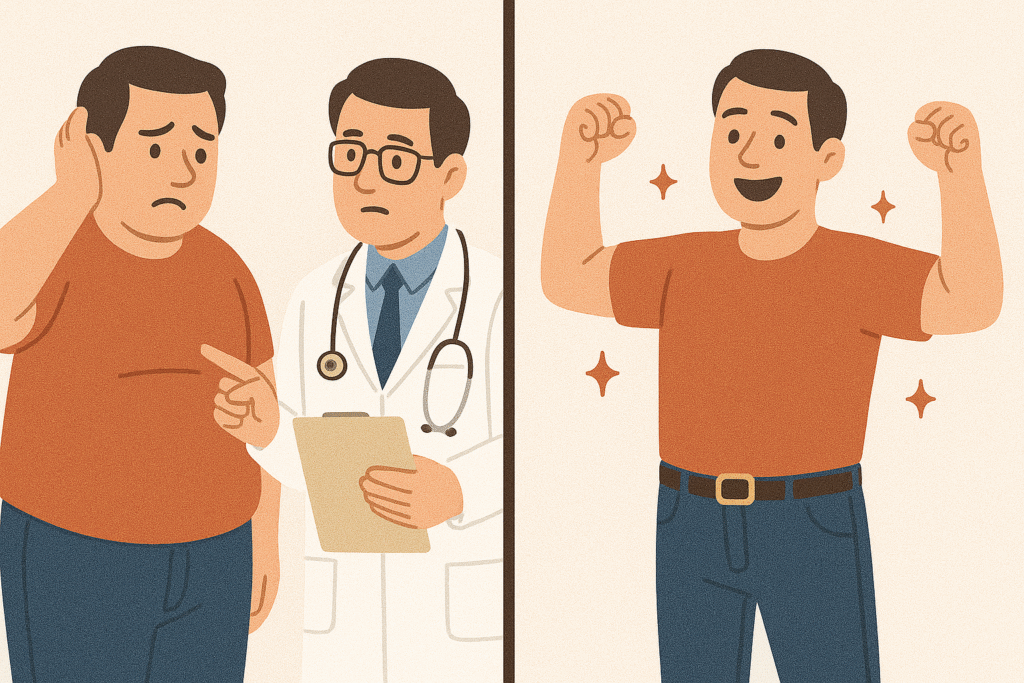
1. Role of Schools and Education Programs
- Health Education in School Curriculum
Conduct sessions on nutrition education.
Incorporating physical activity programs into school curricula fosters healthy habits among students. - Implementing Physical Education and Healthy Food Options
Promoting physical education classes.
Offering nutritious meals in school cafeterias is essential to combating childhood obesity. - Involvement of Parents and Guardians in Childhood Obesity Prevention
Educating parents and guardians on healthy parenting practices.
Modeling positive behaviors at home is crucial for preventing obesity in children.
2. Public Health Campaigns and Awareness Initiatives
- Media Messaging on Healthy Lifestyles
Public health campaigns utilising mass media platforms can raise awareness.
Performing street plays emphasises the importance of healthy living and encouraging behaviour change. - Promoting Access to Affordable Nutritious Foods
Ensure access to affordable fresh produce and healthy food options.
Food for needy people will reduce food insecurity.
It will improve the nutritional intake of individuals. - Addressing Food Deserts and Food Insecurity in Communities
Initiatives targeting food deserts and areas with limited access to nutritious foods.
This can help to remove disparities in food availability and consumption.
3. Government Policies and Regulations
- Taxation on Sugary Beverages and Junk Foods
Implementing taxes on high-sugar beverages and unhealthy foods.
Tax relaxation on whole grains and natural foods promotes healthier dietary choices. - Food Labeling Requirements and Transparency
Mandating clear and informative food labels. It enables consumers to make informed decisions about the nutritional content of foods. - Advocacy for Urban Planning that Promotes Active Living
Designing communities with walkable neighbourhoods.
Promote the bicycle lanes and green spaces to encourage physical activity.
Wrap-up Thoughts
Obesity is a serious health issue that affects millions of people around the world. Understand the causes of obesity as soon as possible.
Know about the impact of childhood obesity Learn the role of BMI in diagnosing obesity. Individuals can take proactive steps to address this condition.
Remember, it is never too late to make positive changes for a healthier lifestyle. Take charge of your health today and make a difference!
Remember, your health is your most valuable asset. Take care of your body, and it will take care of you. Make small, sustainable changes to your diet. Make an exercise routine to combat obesity and live a healthier, happier life.
FAQs
- What is the difference between being overweight and obese?
Overweight: When a person’s body weight is above the recommended range for their height, usually measured by a Body Mass Index (BMI) of 25–29.9.
Obese: A more severe condition, defined as a BMI of 30 or higher, where excess body fat can significantly increase the risk of chronic diseases (like diabetes, heart disease, and certain cancers).
Think of it as a spectrum: overweight is the early stage, obesity is the more advanced stage with higher health risks. - How does genetics play a role in obesity?
Genetics doesn’t directly make someone obese, but it influences how your body manages weight. For example: Metabolism, Fat storage, Appetite and cravings.
Genetics =Potential for becoming obese
Lifestyle (diet, activity, sleep, stress) = whether obesity develops. - Can you reverse obesity with lifestyle changes alone?
Yes, in many cases, obesity can be reversed through sustained lifestyle changes, though it requires consistency and time.