
Wondering if inflammation is affecting your health? Learn how to spot the signs and understand the power of anti-inflammation for better well-being.
The Diet Trend Trap: Why Half Knowledge is Harmful
Every few years, the fitness industry introduces a new diet trend promising quick weight loss and better health.
One striking example is the widespread belief in the health benefits of olive oil. While it’s true that extra virgin olive oil, when used appropriately, has heart-healthy fats, using it to deep-fry foods like puris completely defeats the purpose.
High-heat frying can degrade its nutritional quality, potentially producing harmful compounds.
The danger lies in adopting trends without understanding their full context. As the saying goes, ‘half knowledge is more dangerous than ignorance.’
Celebrities often become the face of these diets, but their real-life habits are often far removed from their public endorsements.
It’s essential to question, research, and understand before following any new wellness trend. Let’s unpack the truth behind this latest diet gimmick.
Understanding Inflammation: What It Means for Your Body
Inflammation is your body’s natural way of protecting itself.
When you get hurt or have an infection, your immune system jumps into action, sending more blood, white blood cells, and healing chemicals to the affected area.
This can cause redness, swelling, heat, or pain. That’s inflammation.
In most cases, it’s a good thing—it helps your body heal. Once the injury or infection is gone, the inflammation usually goes away too.
When Inflammation Turns Harmful
Inflammation is considered good when you are healing, but when inflammation lasts too long or happens without any clear reason, it can start to harm the body instead of helping it.
This is called chronic inflammation, and it’s linked to many health issues like heart disease, diabetes, arthritis, and even depression.
Therefore, inflammation isn’t the enemy—it’s your body’s way of healing and protecting itself. But due to a lack of understanding, inflammation has become a taboo term, often seen only in a negative light. It’s time to change that narrative with a fact check.
Do You Really Need an Anti-Inflammatory Diet?
Every individual has a different body type and unique responses to food. Ayurveda explains this through three body types—Vata, Pitta, and Kapha.
If you’re following a diet without understanding your body’s needs, allergies, or reactions, you might be doing more harm than good.
An anti-inflammatory diet is an eating pattern that helps reduce excess inflammation in the body and supports a healthy immune system.
It focuses on whole, natural foods like fruits, vegetables, nuts, seeds, healthy fats, and lean proteins—while avoiding processed foods, excess sugar, and refined carbs.
Best Foods to Eat on an Anti-Inflammatory Diet
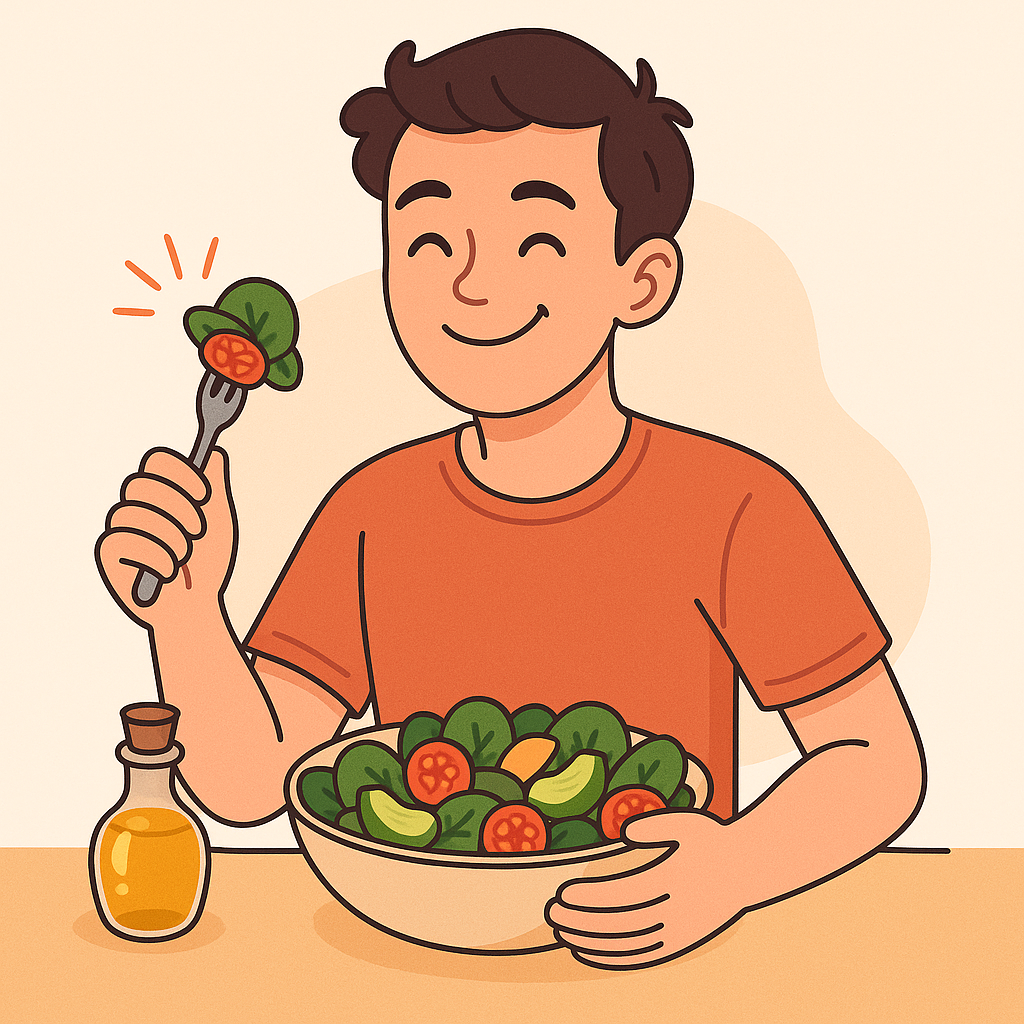
- Fruits & Vegetables – Especially leafy greens, berries, tomatoes, oranges, and bell peppers (rich in antioxidants and vitamins).
- Whole Grains – Oats, quinoa, brown rice, and whole wheat (fibre helps reduce inflammation).
- Healthy Fats – Olive oil, avocado, flaxseeds, and fatty fish like salmon (contain omega-3s that fight inflammation).
- Nuts & Seeds – Almonds, walnuts, chia seeds (great for your heart and brain).
- Herbs & Spices – Turmeric, ginger, garlic (natural anti-inflammatory properties).
Foods to Avoid: What Triggers Inflammation

- Refined Carbs – White bread, pastries, sugar-sweetened drinks
- Fried Foods – Chips, fast food
- Processed Meats – Bacon, sausages, deli meats
- Too Much Sugar – Found in desserts, soda, packaged snacks
- Artificial Additives – Preservatives, colours, and flavourings
It’s More Than Just Diet: Lifestyle Habits that Reduce Inflammation
Anti-inflammatory living also includes:
- Regular physical activity (like walking or yoga)
- Good sleep
- Stress reduction (meditation, spending time in nature)
Build a Body That Heals from Within
An anti-inflammatory diet isn’t a fad or a celebrity-endorsed shortcut. It’s a sustainable lifestyle rooted in listening to your body and fuelling it with food that heals, not harms.
You don’t have to be perfect. Start small—add turmeric to your dal, swap soda for infused water, or replace your chips with a handful of walnuts. These tiny shifts add up.
Instead of chasing trends, anchor yourself in habits that help your body thrive.
Because real wellness?
It’s not found in filters or food fads—
It’s in balance, knowledge, and conscious choices.
The next time you scroll past a flashy “anti-inflammatory superfood” post on social media, pause. Ask: Is this right for me? Does my body need this? Am I following hype or health?
Try this for 7 days
Start your morning with warm water, add a serving of leafy greens to one meal, and take a 20-minute walk. Observe how you feel. You will notice less bloating, better focus, and a calmer mind.
The anti-inflammatory journey isn’t about restricting yourself. It’s about reconnecting with real food, respecting your body, and reclaiming control over your health—one conscious decision at a time.
Your body speaks.
Eat like you’re listening.